
U.S. immigration court proceedings for individuals in removal proceedings and those seeking relief from deportation
Defense Representation Before Immigration Judges
Immigration court proceedings begin when the Department of Homeland Security files a Notice to Appear charging you with removability from the United States. These cases unfold before immigration judges within the Executive Office for Immigration Review, and they involve formal hearings where the government must prove its allegations and you have the opportunity to apply for relief from removal if you are eligible. Foley Law Offices, P.C. represents clients in immigration court at every hearing stage, from initial master calendar appearances through individual merits hearings where relief applications are fully adjudicated, and the proceedings follow strict evidentiary rules that require careful preparation and legal strategy.
Your case begins with a master calendar hearing where you admit or deny the allegations in the charging document, concede or contest removability, and designate which forms of relief you intend to pursue. If you apply for relief such as asylum, cancellation of removal, or adjustment of status, the court schedules an individual hearing where you present testimony, documents, and witness evidence to support your application. The immigration judge evaluates whether you meet the statutory requirements for the relief requested and whether you merit a favorable exercise of discretion.
Request a case assessment to discuss the charges against you and the relief options available in your removal proceedings.
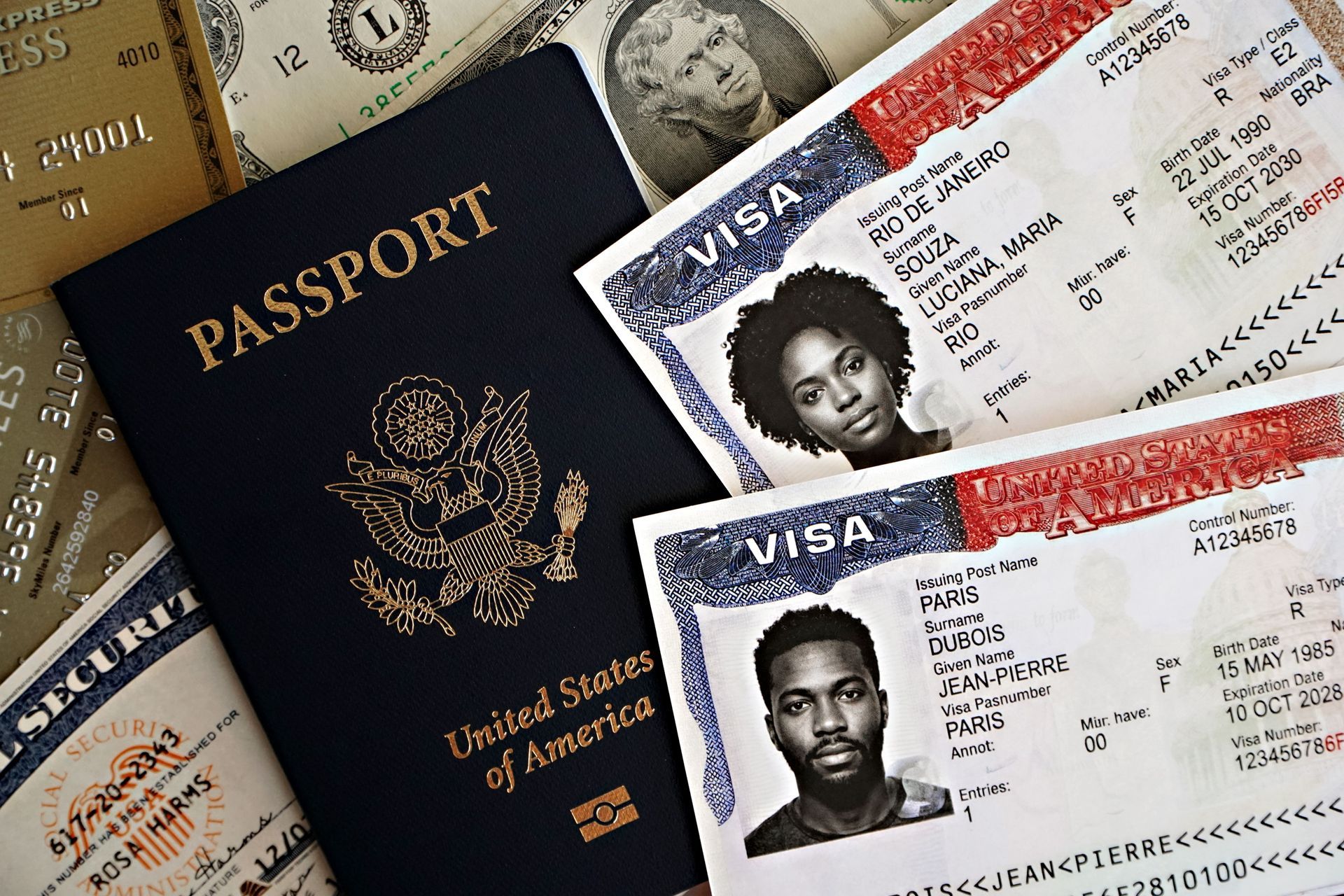
How Immigration Court Cases Proceed From Charging to Decision
Immigration court operates as an adversarial system where a trial attorney from ICE presents the government's case and your attorney presents your defense and applications for relief. The judge controls the proceedings, rules on objections and motions, and ultimately decides whether you are removable and whether any relief should be granted. Unlike criminal court, immigration court does not provide appointed counsel, so representation depends entirely on your ability to retain private counsel or access pro bono services.
After your individual hearing concludes, the immigration judge may issue an oral decision from the bench or take the case under advisement and mail a written decision later. If relief is granted, you receive documentation allowing you to remain in the United States under the specific terms of that relief. If removal is ordered, you have 30 days to file an appeal to the Board of Immigration Appeals, which reviews the judge's legal conclusions and factual findings for errors.
The outcome of immigration court cases depends heavily on the quality of evidence presented, the credibility of testimony, and whether the legal requirements for relief are clearly established. Judges have significant discretion in relief applications, which means that even if you are statutorily eligible, the judge may still deny relief based on negative discretionary factors such as criminal history, immigration violations, or lack of equitable factors like family ties or community involvement in the United States..
Common Concerns About Immigration Court Proceedings
Removal proceedings involve complex procedural rules and multiple potential relief options, and understanding what happens at each stage helps you prepare effectively for hearings and deadlines.
What is the difference between contesting removability and applying for relief?
Contesting removability means arguing that the government has not proven you are deportable under the charges filed, while applying for relief means admitting removability but asking the judge to grant you permission to stay based on eligibility for asylum, cancellation of removal, adjustment of status, or another form of protection. Most cases involve applying for relief rather than contesting the charges themselves.
- How long do immigration court cases take to resolve?
- Case timelines vary widely depending on court backlogs, the complexity of the relief sought, and whether appeals are filed. Some cases resolve within months if relief is straightforward, while others take years due to scheduling delays, continuances for evidence gathering, and appeals to higher administrative bodies.
- What happens if I do not appear for my immigration court hearing?
- Failing to appear results in an in absentia removal order, meaning the judge orders your deportation without hearing your case. You can file a motion to reopen if you can prove you did not receive notice of the hearing or that exceptional circumstances prevented your appearance, but these motions are difficult to win and strict deadlines apply.
- Can I appeal an immigration judge's decision?
- You have 30 days from the date the decision is issued to file a Notice of Appeal with the Board of Immigration Appeals. The Board reviews whether the immigration judge made legal or factual errors, but it does not conduct new hearings or accept new evidence except in very limited circumstances. Further appeals to federal circuit courts are possible in some cases but involve additional procedural requirements.
- What types of relief can be requested in immigration court?
- Common forms of relief include asylum, withholding of removal, protection under the Convention Against Torture, cancellation of removal for lawful permanent residents or non-permanent residents, adjustment of status based on family petitions, and waivers of inadmissibility. Each form of relief has distinct eligibility requirements, and some can be combined in the same case depending on your circumstances.
Foley Law Offices, P.C. represents clients facing removal in immigration court, building records that meet legal and evidentiary standards for the relief sought. Schedule a consultation to review the specific charges and relief options in your case and develop a defense strategy tailored to your circumstances.
tell us your story. we'll listen.
We will get back to you as soon as possible.
Please try again later.